Milton Keynes Sleep Clinic
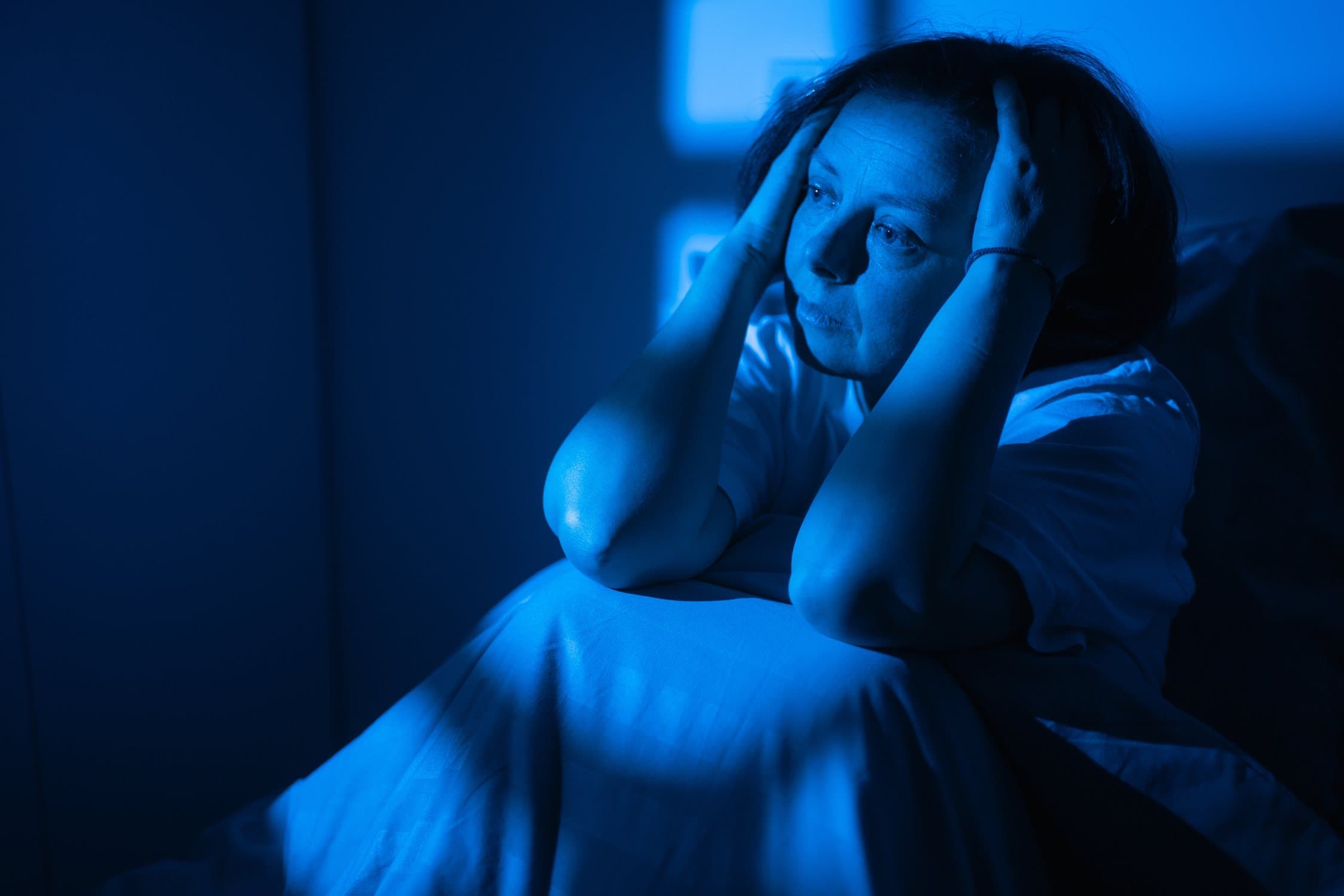

Sleep apnoea symptoms
Could you have sleep apnoea?
Obstructive sleep apnoea (OSA) is a condition where the throat repeatedly narrows or closes during sleep, causing breathing to pause (apnoea) or become shallow (hypopnoea). Your brain then 'jolts' you enough to breathe again. You might not fully wake up, but your sleep gets broken up again and again. That's why you can spend 8 hours in bed but still feel exhausted. Common signs of obstructive sleep apnoea include:
- Loud snoring
Often most nights.
- Choking or gasping
Or snorting, in your sleep.
- Breathing pauses
Noticed by someone else.
- Dry mouth or sore throat
When you wake up.
- Headaches
In the morning.
- Waking up a lot
During the night.
- Feeling very sleepy
In the daytime.
- Struggling to focus
Feeling "foggy".
- High blood pressure
Also called hypertension.
If any of this sounds familiar, it's sensible to get assessed at our sleep apnoea clinic in Milton Keynes rather than guessing. You don't need all of these for it to be worth checking.

About our Milton Keynes sleep apnoea clinic
How sleep apnoea risk is typically assessed
When you come through our sleep apnoea clinic in Milton Keynes, we're looking for patterns, not just one symptom. Our questions draw on STOP-Bang, a validated screening tool used in UK sleep services, and cover snoring, breathing pauses, daytime sleepiness, blood pressure and weight. Daytime sleepiness matters most when you actually doze off in ordinary situations - in an afternoon meeting in Central Milton Keynes, on the bus in from Newport Pagnell, or on the sofa after work. That's a stronger signal than simply feeling tired.
Lower risk
You may be lower risk if:
- you have few typical symptoms
- daytime sleepiness is not a major problem
- your screening score suggests a lower likelihood of OSA
What usually happens next
Receive practical guidance and advice on what to monitor.
Intermediate risk
You may be intermediate risk if:
- you have some symptoms, but the picture is mixed
- your screening score is in the middle range
- there may be overlap with insomnia, stress, or other causes
What usually happens next
Based on your answers, you'll see whether a home sleep test is worth doing, and where to get one.
Higher risk
You may be higher risk if:
- there are witnessed breathing pauses, choking, or gasping
- snoring is loud and regular
- daytime sleepiness is significant
What usually happens next
Based on your answers, you'll see whether a home sleep test is worth doing, and where to get one.
Importance of daytime sleepiness
Driving safety in Milton Keynes
If you are very sleepy in the daytime, especially if you struggle to stay awake at the wheel, that's a safety issue, and if sleep apnoea is causing it, you must not drive and must tell the DVLA until it's treated. It makes no difference whether that's a long stretch on the M1, the stop-start crawl along the A5, or ten minutes home to Newport Pagnell – a few seconds of microsleep is enough. A sleep apnoea assessment can:
If you have had a near miss due to sleepiness, or you regularly fight sleep at the wheel, seek medical advice urgently and avoid driving until you're safe to do so. Because the assessment is online, you can start it tonight from wherever you are in Milton Keynes, without waiting for an appointment.

Explore your treatment options
Sleep apnoea treatment in Milton Keynes
Treatment depends on your symptoms, medical history, and overall health. Options may include:
CPAP therapy
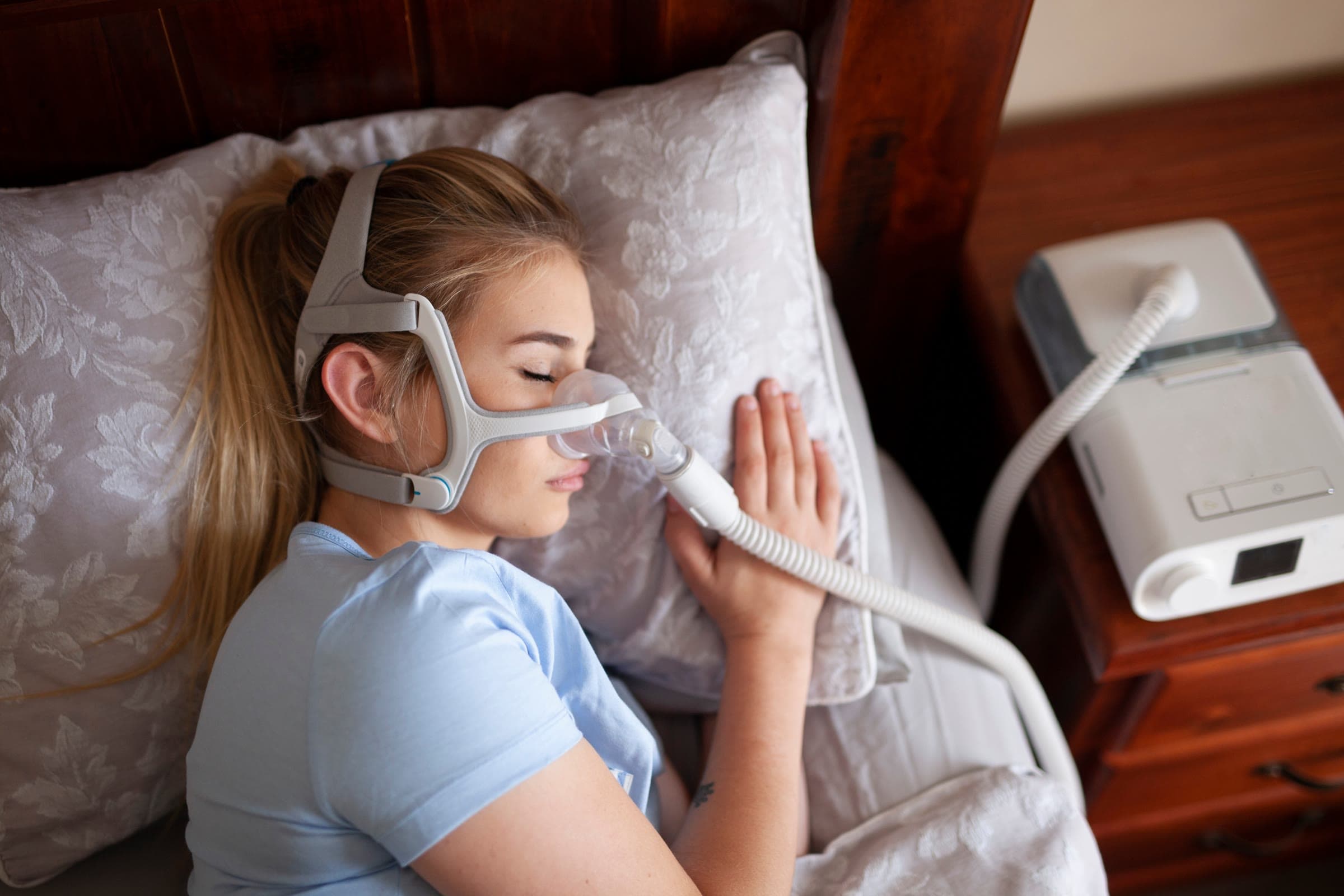
CPAP is the standard treatment for many people with moderate to severe OSA. It uses gentle air pressure through a mask to keep the airway open while you sleep.
Mandibular advancement devices
For some people, especially with mild to moderate OSA, an oral device can help by holding the lower jaw forward to keep the airway open.
Structured weight management
For some people, weight loss can meaningfully improve OSA severity and symptoms. If appropriate, medical weight management may be considered following clinician review.
The NHS route
NHS sleep services near Milton Keynes
No NHS sleep service page could be verified for Milton Keynes when this was last checked. Ask your GP to refer you to a sleep service.
Last verified October 2026.
Your journey to better sleep
Our Milton Keynes Sleep Apnoea Clinic
A proper assessment.
Answer a short set of questions about your sleep. You get a clear next step based on your answers, including whether your symptoms point to sleep apnoea. If treatment is an option, a UK-registered clinician at The Independent Pharmacy reviews your full consultation before anything is prescribed.
Today

Get treatment working.
Settle into the right treatment for your level of risk, with support to make it stick and practical guidance on the habits that help your breathing at night. Fewer disturbed nights, less snoring, steadier energy.
Months 1–6

Make it stick.
Strengthen the habits that hold up long term. Learn your triggers, handle the occasional bad night with confidence, and keep the progress.
Months 7–12
What is COMISA?
When sleep apnoea and insomnia happen together
It's possible to have both insomnia (difficulty falling or staying asleep) and obstructive sleep apnoea (OSA) at the same time. This is known as COMISA (co-morbid insomnia and sleep apnoea). When both conditions are present, the right treatment matters. In many cases, possible sleep apnoea should be assessed and managed first, or alongside insomnia treatment, depending on clinical review.
That's why our Milton Keynes sleep apnoea clinic screens for more than one sleep condition. Your answers are scored against validated tools so possible OSA is flagged first. If treatment is ever on the table, a clinician reviews your full consultation before anything is prescribed.
Key facts
Milton Keynes Sleep Apnoea Clinic at a glance
Milton Keynes Sleep Clinic runs a private online sleep apnoea clinic for adults. We also check for other causes of poor sleep, such as snoring, insomnia and restless legs, so you’re guided to the right next step.
- Clinic
- Milton Keynes Sleep Clinic
- Service
- Milton Keynes Sleep Apnoea Clinic, a private online service for adults
- Who it’s for
- Adults in Milton Keynes and nearby, including Bletchley, Wolverton, Stony Stratford and Newport Pagnell
- How it works
- Fully online, so you don’t need to travel
- GP referral
- Not needed, you can refer yourself
- Assessment
- Free and takes 2 minutes
- Sleep test
- A home sleep test is suggested if your risk is intermediate or higher
- Prescriber review
- Any treatment consultation is reviewed by a UK-registered prescriber at our UK-regulated pharmacy
- Treatment options
- CPAP, a mandibular advancement device or structured weight management
- Cost
- Assessment is free
- Prescribing partner
- The Independent Pharmacy (GPhC registration 9012559)
Milton Keynes Sleep Apnoea Clinic FAQs
Obstructive sleep apnoea (OSA) is a condition where the throat narrows or closes during sleep, causing breathing to pause or become shallow. This can lower oxygen levels and repeatedly disturb sleep.
In some people, untreated OSA is linked with:
- excessive daytime sleepiness
- poor concentration and brain fog
- low mood and reduced energy
- high blood pressure
- increased driving risk if severe sleepiness is present
Not everyone has the same level of risk, which is why individual assessment is important.
No. Our online assessment is a screening tool, not a diagnosis. If your answers suggest possible OSA, your result tells you straight away and points you to the right next step, which may include a sleep study.
No. Some people with sleep apnoea feel very sleepy, but others mainly feel tired or unrefreshed. Daytime sleepiness is common but not universal.
No. Many people snore without having obstructive sleep apnoea (OSA). However, loud snoring combined with choking, gasping, or daytime sleepiness should be assessed.
Yes. Women with OSA may present with more subtle symptoms such as morning headaches, fatigue, low mood, or anxiety-type symptoms rather than obvious sleepiness.
OSA is more common in people who are overweight or obese, but it can affect people of any body size. Modest weight gain can worsen OSA risk in some people because extra tissue around the airway can make narrowing during sleep more likely.
Yes. This is called COMISA (co-morbid insomnia and sleep apnoea). Treating only one condition may leave symptoms unresolved, which is why proper assessment matters.
About the author

Suzannah Torres
RPSGT · AHCS Registered Clinical Physiologist
Suzannah Torres is a highly specialised respiratory sleep physiologist with over 20 years’ experience in NHS sleep and respiratory medicine. She is RPSGT certified and AHCS registered, with advanced expertise in sleep apnoea assessment, CPAP therapy, and complex respiratory sleep pathways.
Suzannah has worked across multiple NHS trusts, including Manchester University NHS Foundation Trust and Macclesfield District General Hospital. Her experience includes full polysomnography (PSG), home respiratory sleep testing, CPAP setup and compliance clinics, and managing patients with complex care needs. She has also led CPAP compliance pathways within NHS services.
Her approach is structured, evidence-based and patient-focused, ensuring accurate diagnosis and safe management of obstructive sleep apnoea and related respiratory sleep disorders.
- Professional registration
- AHCS (Academy for Healthcare Science)
- RPSGT (Registered Polysomnographic Technologist)
Keeping this page up to date
This page was last updated on .
Milton Keynes Sleep Clinic is committed to providing clear, accurate and evidence-based information about sleep health, insomnia, sleep apnoea and related conditions.
We check our content regularly and update it to reflect current UK clinical guidelines, including recommendations from NICE. All treatment pathways described on this website are subject to individual clinical assessment and review.
Read our editorial policy to see how our content is written and kept up to date.